If you want top dollar for your Little Elm home, preparation matters more than most sellers think. Buyers often decide how they feel about a home within moments, and in a fast-growing market like Little Elm, clean presentation and strong first impressions can set the tone right away. The good news is that you do not need a massive renovation to make a meaningful impact. With the right prep plan, you can focus your time and budget where it counts most. Let’s dive in.
Why prep matters in Little Elm
Little Elm is a growing North Texas market with an estimated population of 62,727 as of July 2025. The city has also seen strong growth since 2020, and a large share of homes are owner-occupied, which means many buyers are comparing well-kept suburban homes and paying close attention to condition, layout, and curb appeal.
That matters because most sellers in Little Elm are not marketing highly unusual property types. The town’s planning framework reflects a market made up largely of conventional suburban housing, including single-family homes, townhomes, duplexes, apartments, and condominiums. In practical terms, simple visual improvements can go a long way because buyers are often comparing homes with similar styles and price points.
Start with the highest-impact tasks
If you are wondering what to do first, keep it simple. The best order for most Little Elm sellers is to declutter first, deep clean second, and improve curb appeal third.
That approach lines up with what agents commonly recommend to sellers. According to the 2025 NAR staging report, the most common recommendations were decluttering, cleaning the entire home, and improving curb appeal. Those steps also help your home look better in person and in listing photos.
Declutter before anything else
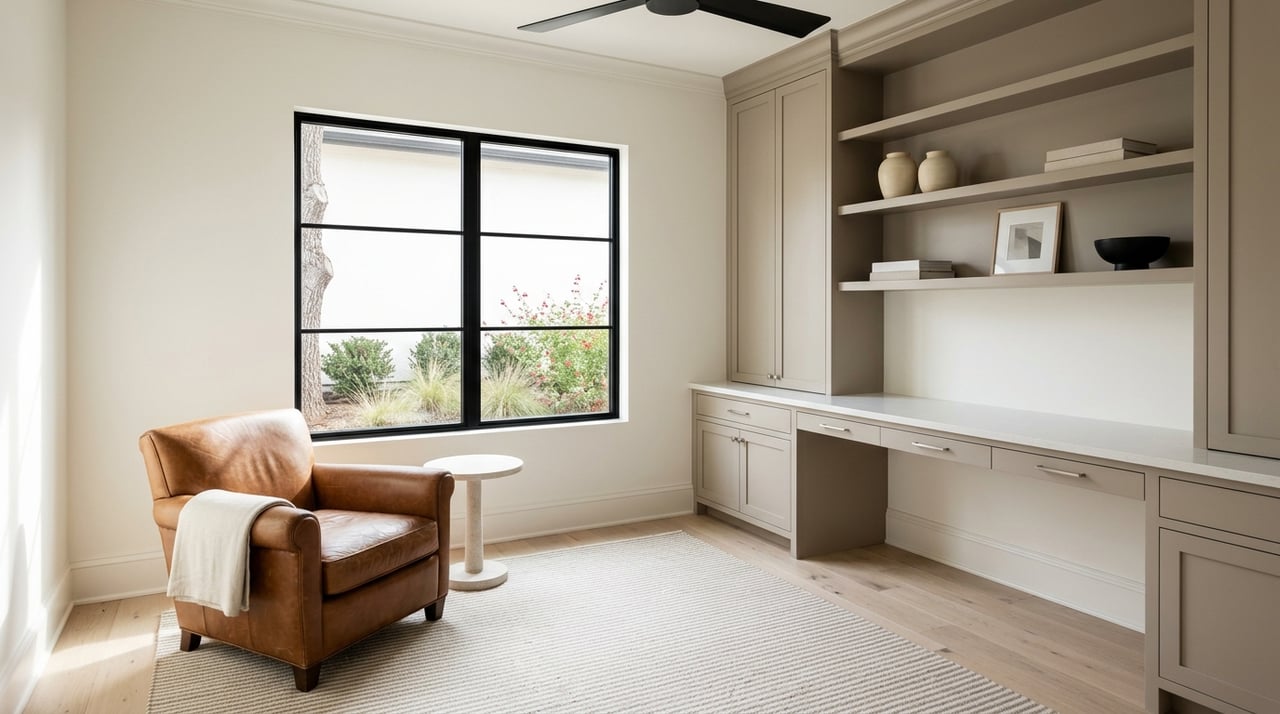
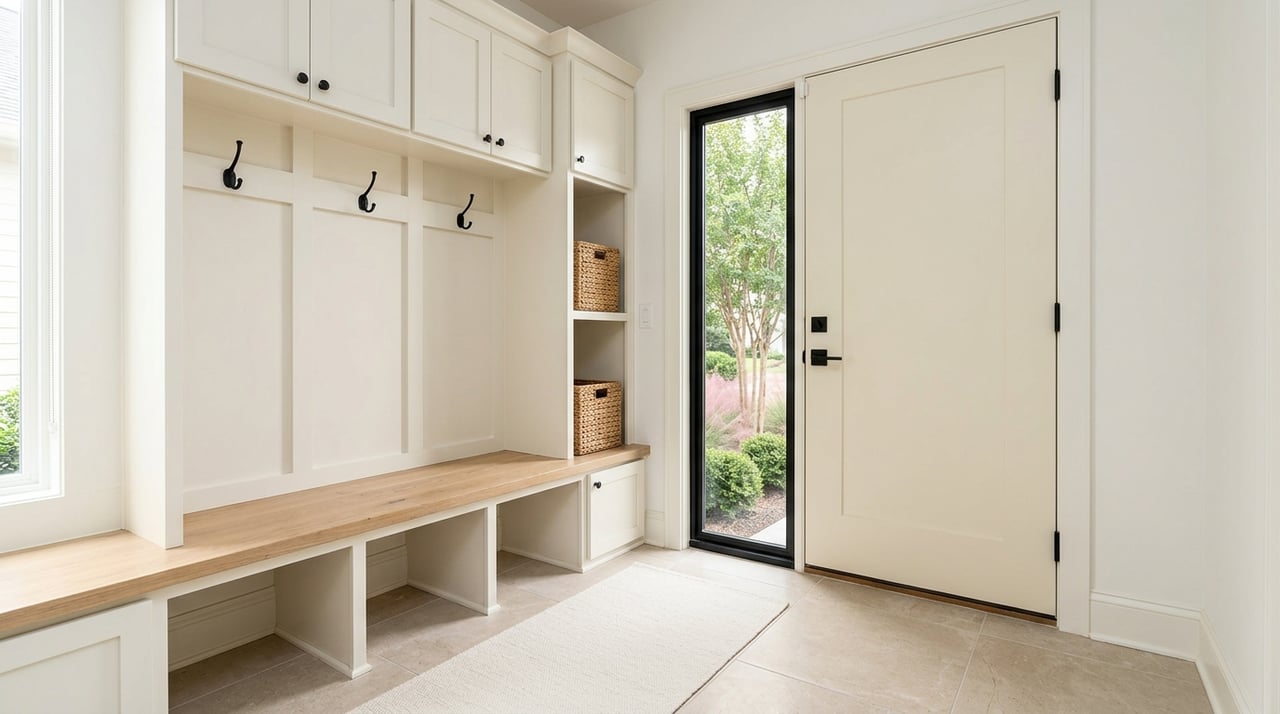
Decluttering is the fastest way to make your home feel larger, calmer, and easier for buyers to walk through. Extra furniture, overfilled shelves, crowded counters, and packed closets can make even a well-maintained home feel smaller than it is.
Start with the spaces buyers notice most. Focus on the living room, primary bedroom, and kitchen first, since those were the rooms agents identified as most important in staging.
As you work, remove items that distract from the space itself. That can include:
- Extra chairs or side tables
- Small appliances stored on kitchen counters
- Overflow clothing in closets
- Excess decor on shelves and mantels
- Personal items in bathrooms and bedrooms
- Toys, pet items, and seasonal storage
Use Little Elm disposal options
One advantage of getting a home ready for sale in Little Elm is that the town offers several ways to clear out unwanted items. Trash is collected weekly, and bulk and brush service runs every other week.
There are limits, though. Bulk pickup is limited to six cubic yards during the scheduled bulk week, and regular bulk pickup does not include hazardous waste or construction and remodeling debris.
If you have larger items to remove before listing, you may also be able to use the Courtesy Bulk Drop-Site or the town’s Clean & Green events. These options can be helpful for things like old furniture, appliances, bundled carpet, fence panels, brush, and drained water heaters.
Deep clean for photos and showings
Once clutter is gone, cleaning becomes much more effective. A clean home feels cared for, and buyers tend to notice dirt, dust, and odors quickly, especially during showings when they are paying close attention to detail.
You do not need perfection, but you do need consistency. Every room should feel fresh, bright, and easy to maintain.
Focus on visible surfaces
Pay special attention to the spots buyers actually see and photograph. Clean windows, wipe baseboards, scrub sinks, polish faucets, and make sure floors look uniform from room to room.
In kitchens and bathrooms, details matter. Fresh caulk, clean grout, and streak-free mirrors can make a home feel updated even if you have not remodeled recently.
Check light and air flow
North Texas summers are hot, with average July and August highs in the Dallas-Fort Worth area reaching 95.6 and 95.8 degrees. Because of that, buyers may pay close attention to how comfortable the house feels when they walk in.
Before showings, make sure your HVAC is performing well, the home feels cool, and the air smells clean. Bright bulbs, open blinds, and a comfortable indoor temperature can make a strong difference in how buyers experience the home.
Prioritize the rooms buyers care about most
Not every room needs the same level of attention. If you are trying to prepare efficiently, spend your energy where it is most likely to pay off.
According to the 2025 NAR staging report, the rooms buyers care about most are the living room, primary bedroom, and kitchen. Start there before worrying about secondary spaces.
Living room
Your living room should feel open and easy to picture using every day. Remove extra furniture if the room feels tight, simplify decor, and create a clear path through the space.
If you have built-ins or a fireplace mantel, keep styling minimal. A few intentional pieces usually work better than many small ones.
Primary bedroom
Buyers want the primary bedroom to feel restful and spacious. Clear off dressers and nightstands, store off-season clothing, and use simple bedding in light or neutral tones if possible.
If the room is crowded, consider removing one piece of furniture temporarily. The goal is not to show how much fits in the room. It is to help buyers feel how comfortably the room lives.
Kitchen
In the kitchen, clean counters matter almost as much as the layout itself. Store small appliances, clear papers and magnets, and keep the sink spotless.
If you want a low-cost visual upgrade, small touch-ups can help. Fresh bulbs, cleaned grout, and polished hardware can make the room feel sharper without a full remodel.
Improve curb appeal without overdoing it
Buyers start forming opinions before they ever walk inside. In Little Elm, where many homes are part of planned communities and suburban developments, exterior presentation can make a strong first impression.
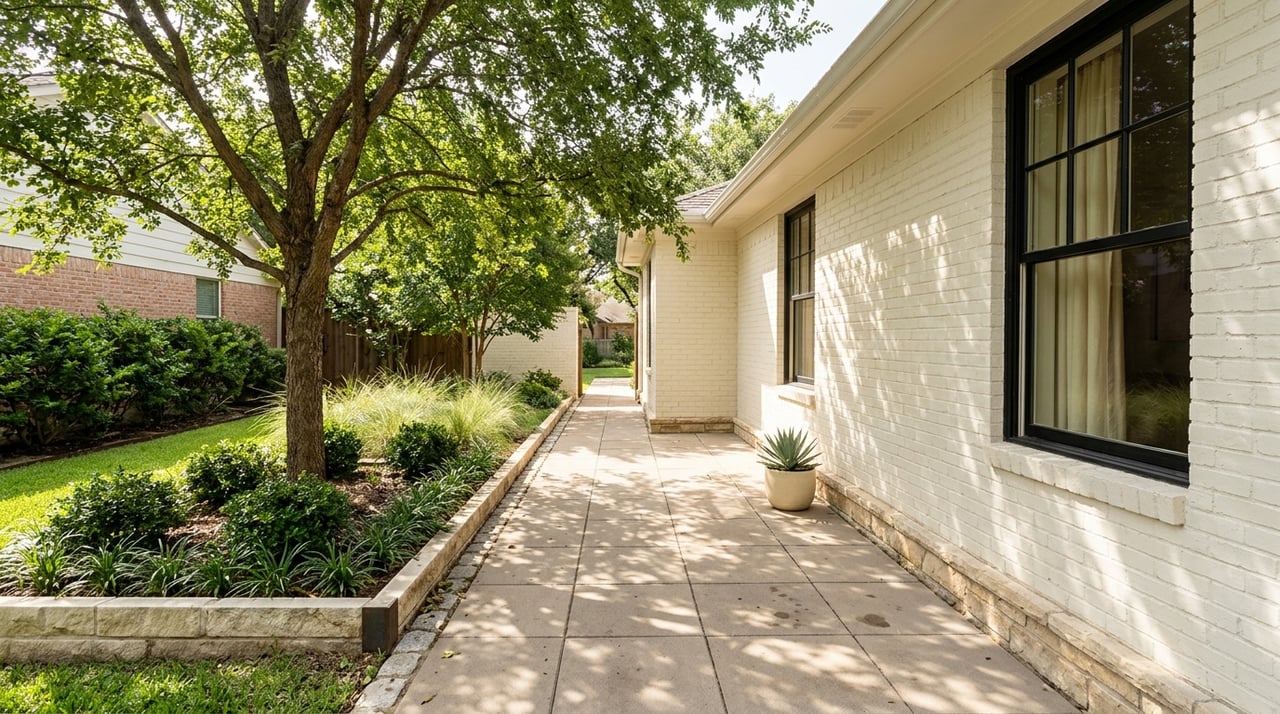
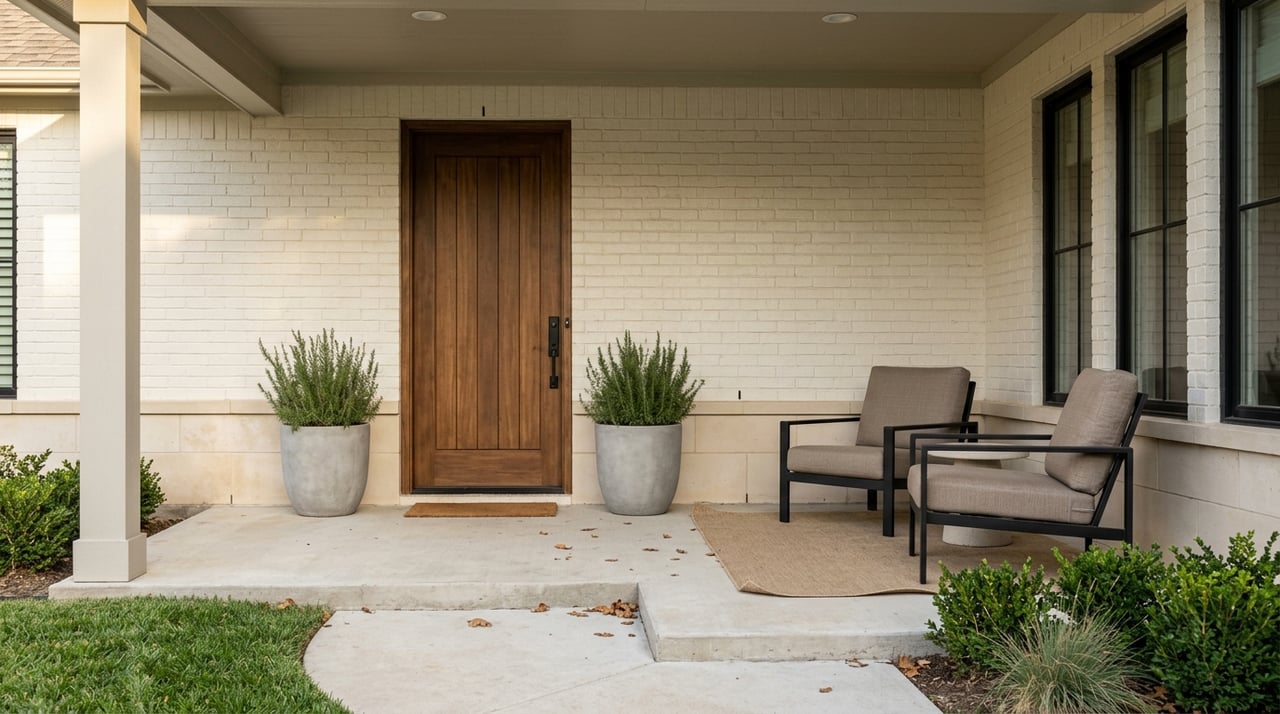
The good news is that curb appeal often improves with basic maintenance rather than expensive projects. Mow the lawn, edge the walkway, trim overgrowth, sweep the porch, and make the front entry feel neat and welcoming.
Be smart with watering
If you are freshening up landscaping during listing season, remember that Little Elm’s water conservation guidance limits sprinkler irrigation to twice a week from April 1 through October 31. Watering is also prohibited from 10 a.m. to 6 p.m., and runoff control is required.
If you are adding new landscaping or replacing sod, review the current rules carefully. The town allows different watering treatment for new landscaping and first-year plantings in some situations, and variances may be available for certain needs such as severe erosion control.
Check HOA rules first
Many single-family communities in Little Elm have homeowners’ associations. That means visible exterior changes may be governed by CC&Rs, including paint colors, lawn standards, plant choices, and exterior structures.
Before you paint, install, remove, or build anything visible from the street, review your HOA guidelines. It is much easier to avoid a compliance issue than to fix one while your home is getting ready to hit the market.
Make small fixes that show care
After decluttering and cleaning, small cosmetic fixes are often the best place to spend a little money. In many cases, buyers respond well to homes that feel maintained, even when finishes are not brand new.
Focus on fixes that improve appearance without turning into major projects. Good examples include:
- Touch-up paint on scuffed walls and trim
- Replacing burned-out bulbs with brighter matching bulbs
- Cleaning or refreshing caulk and grout
- Tightening loose hardware
- Storing bulky or extra furniture
- Repairing obvious minor wear that stands out in photos
These updates are usually more cost-effective than large upgrades completed right before listing. They also help support better photography, which matters because buyers’ agents rated listing photos as highly important.
Think carefully about staging
Staging can help, but it does not always mean bringing in a truckload of furniture. Sometimes the best version of staging is simply editing what is already there and arranging the home to highlight space, light, and flow.
The 2025 NAR staging report found that 29% of agents said staging increased offered dollar value by 1% to 10%, and 49% said it reduced time on market. It also found that listing photos, traditional staging, videos, and virtual tours all played an important role in buyer interest.
If you are considering paid staging, keep budget in mind. NAR reported a median cost of $1,500 for a staging service, compared with $500 when the seller’s agent handled staging.
Gather documents early
Prepping a home is not only about appearance. It is also about being ready for the transaction itself.
In Texas, sellers of previously occupied single-family homes are required to complete the TREC Seller’s Disclosure Notice. That form covers material facts and the physical condition of the property, so it helps to gather paperwork before your home goes live.
Try to pull together:
- Repair receipts
- Warranty information
- Maintenance records
- Appliance documentation
- Roof, HVAC, or system service history
Having these items organized early can make the listing process smoother and reduce stress once buyers start asking questions.
Avoid permit and approval surprises
Most pre-listing work should stay cosmetic and simple. If you are tempted to take on a bigger exterior or structural project, pause first and check local rules.
Little Elm provides construction-related permit resources, and some projects may require town approval. For example, larger detached accessory structures may need permits, and HOA approval letters may be required within HOA subdivisions.
This is another reason to keep your prep plan focused. In many Little Elm homes, the highest return comes from presentation, cleanliness, and small visual improvements rather than more complicated pre-sale construction.
Keep your prep plan practical
A successful sale usually starts with a calm, focused plan. In Little Elm, that often means doing the basics extremely well: declutter, clean thoroughly, sharpen curb appeal, and make simple fixes that help your home feel bright and well cared for.
If you want guidance on what is worth doing before you list and what you can skip, working with a local agent can help you avoid wasted time and unnecessary spending. For tailored advice on preparing your Little Elm home for sale, connect with Lindsay Reyes.
FAQs
What should I do first when preparing my Little Elm home for sale?
- Start by decluttering, then deep clean the home, and then improve curb appeal.
Which rooms matter most when selling a Little Elm home?
- The living room, primary bedroom, and kitchen are the top rooms to prioritize.
How can I get rid of clutter in Little Elm before listing?
- You can use weekly trash collection, biweekly bulk and brush pickup, the Courtesy Bulk Drop-Site, and Clean & Green events, depending on the type of items you need to remove.
Do I need HOA approval for exterior changes to my Little Elm home?
- In many neighborhoods, yes. HOA rules may apply to paint, lawn maintenance, plants, and exterior structures, so review your community guidelines before making visible changes.
Do pre-listing projects in Little Elm ever require permits?
- Yes. Cosmetic work is usually simpler, but larger projects or detached structures may require permits, and some HOA subdivisions may also require approval letters.
What paperwork should I gather before listing a home in Texas?
- Start with repair receipts, warranties, maintenance records, and system service history so you are better prepared to complete the TREC Seller’s Disclosure Notice.