If Little Elm is on your shortlist, you are probably asking the right first question: what is it really like to live there day to day? Moving is not just about finding a house. It is about choosing a routine, a commute, a budget, and a community that fits how you want to live. This guide will help you understand what stands out about Little Elm, what to look at more closely, and how to decide whether it is the right move for you. Let’s dive in.
Why Little Elm Gets Attention
Little Elm stands out because it offers something many North Texas suburbs cannot match: a true lakefront setting. The town sits on Lewisville Lake in Denton County, and the town reports that more than 66 miles of its incorporated limits are on the lake shoreline.
That lake access shapes a lot of the local identity. Town information highlights recreation, special events, parks, trails, restaurants and patios in The Lakefront District, Little Elm Beach, and The Cove at The Lakefront indoor waterpark. If you want a suburb with outdoor activity built into everyday life, Little Elm tends to get noticed quickly.
Little Elm is also growing fast. Census estimates put the population at 62,727 as of July 1, 2025, which is a 36.2% increase from April 1, 2020. For you, that usually means a town that is still evolving, with new development, changing traffic patterns, and ongoing planning that can affect future convenience and value.
What Living in Little Elm Feels Like
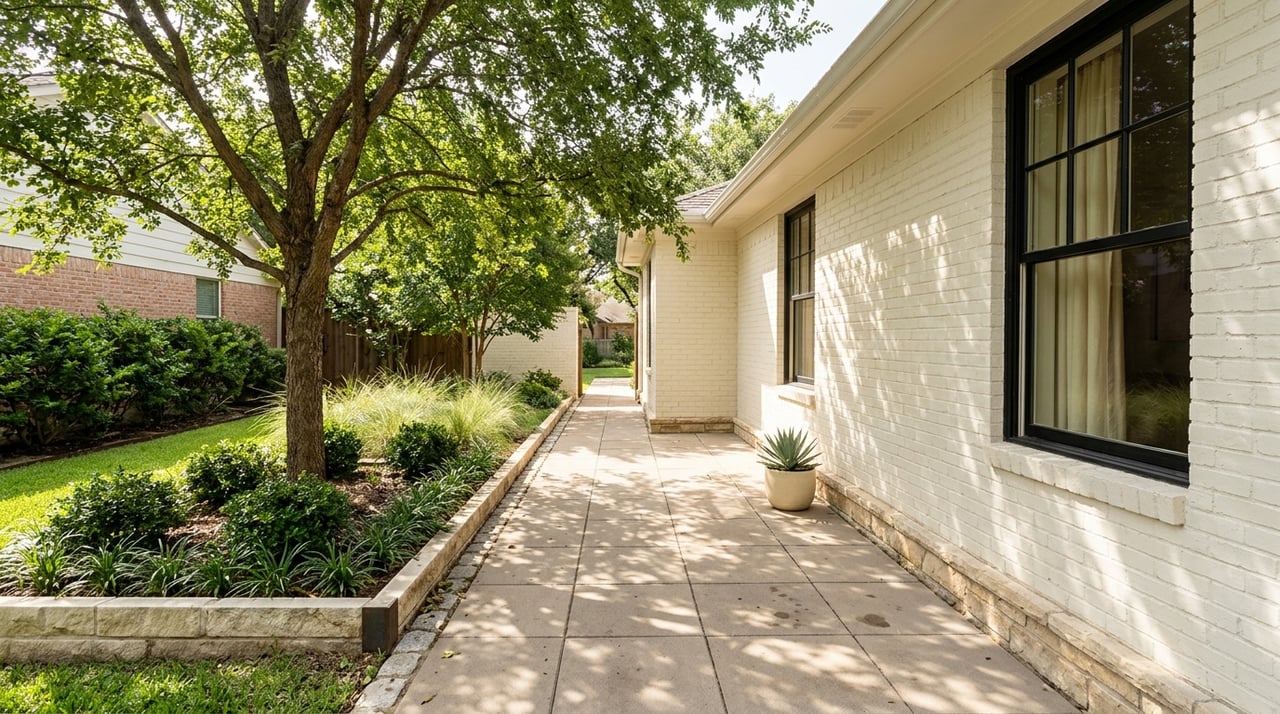
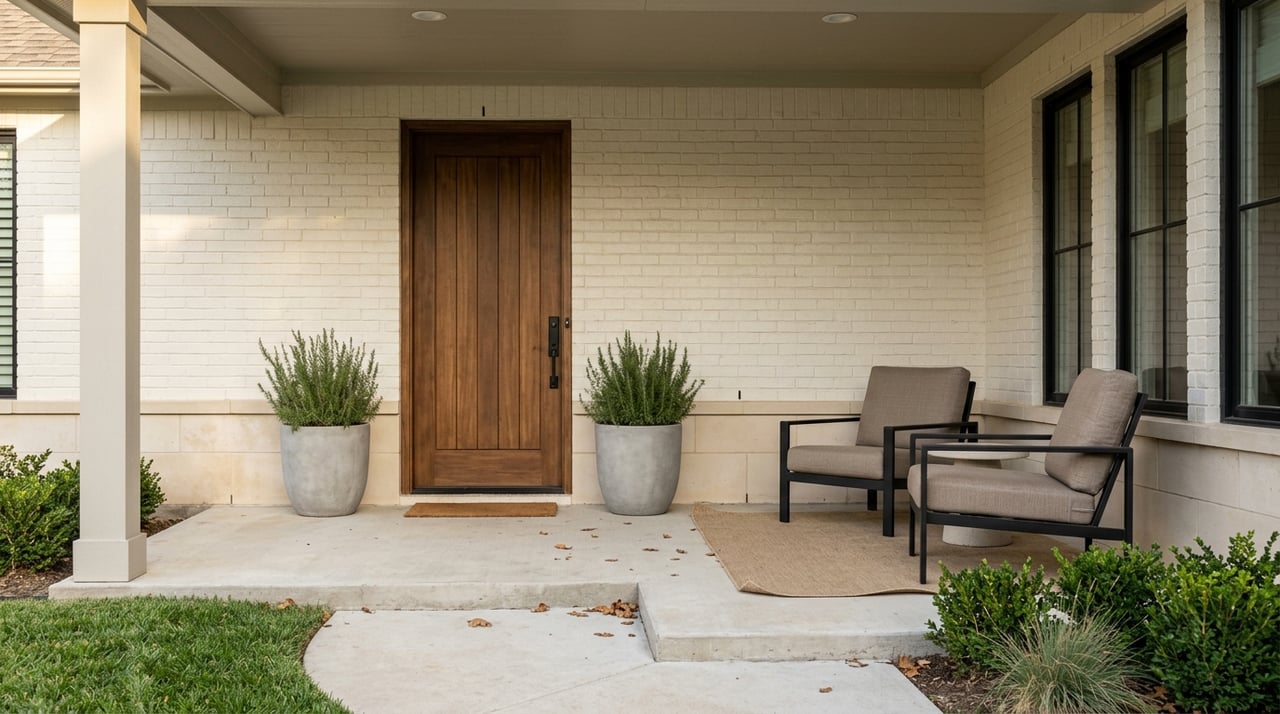
Little Elm combines newer suburban housing patterns with a more recreation-focused lifestyle than many nearby areas. Town materials describe it as a lakefront community made up of single-family neighborhoods and master-planned developments.
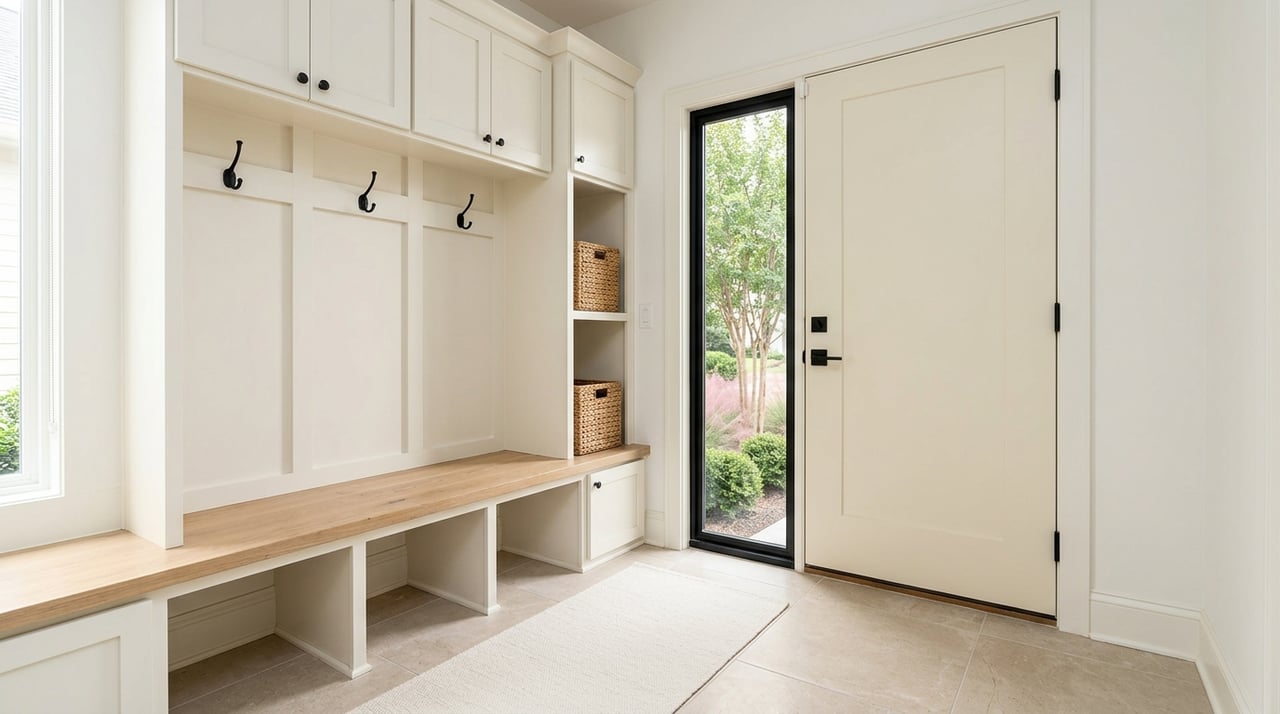
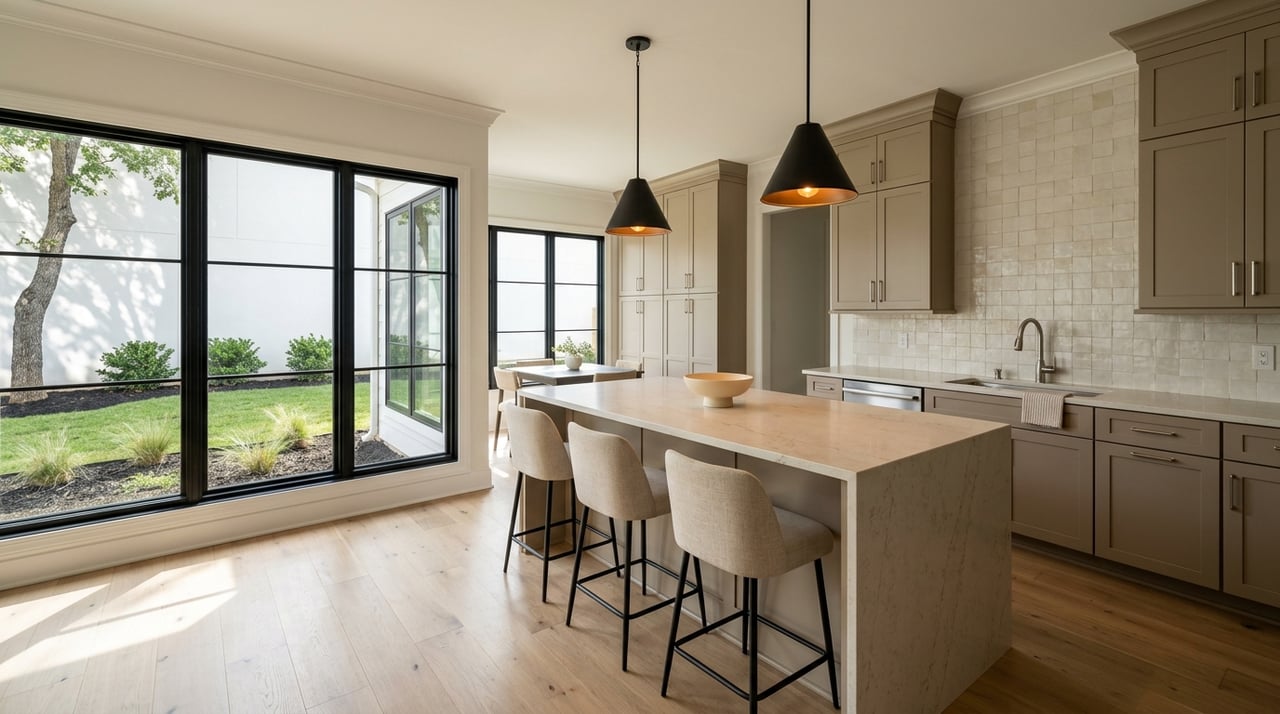
That mix can appeal to different kinds of movers. You may be looking for a newer home, more space, access to trails and parks, or a location that keeps you connected to the broader Dallas-Fort Worth area while feeling a little more relaxed day to day.
The town also emphasizes balancing rapid growth with hometown charm. That does not mean every part of Little Elm feels the same. Some areas may feel more established, while others are still shaped by newer construction, road improvements, and planning efforts.
Housing Snapshot in Little Elm
If you are comparing budget and lifestyle, it helps to look at the numbers first. Census data shows that Little Elm leans strongly toward ownership, with an owner-occupied housing unit rate of 70.1%.
Here is a quick snapshot of local housing figures from the Census:
| Housing Metric | Little Elm Figure |
|---|---|
| Owner-occupied housing rate | 70.1% |
| Median owner-occupied home value | $420,700 |
| Median monthly owner cost with mortgage | $2,653 |
| Median gross rent | $1,953 |
These figures give you a starting point, not a full picture. Your actual monthly cost will depend on price point, down payment, loan terms, taxes, insurance, and whether the home is in an HOA or special district.
What to Know About Neighborhoods and HOAs
Many Little Elm neighborhoods include single-family homes in planned developments, and town guidance notes that HOAs are common, especially in newer communities. That matters because HOA rules, fees, and maintenance standards can vary by neighborhood.
Before you move, it is smart to compare more than square footage and finishes. You will also want to look at:
- HOA dues and what they cover
- Community rules for exterior changes, parking, or short-term use
- Nearby road access
- Proximity to parks, lakefront areas, or retail
- Whether the neighborhood feels established or still developing
Address-level details matter a lot in Little Elm. Two homes in the same town can come with very different tax structures, school zoning, or commute patterns.
Taxes Can Vary by Address
One of the biggest surprises for buyers moving to North Texas is how much local taxes can vary. Little Elm’s 2024-2025 town property tax rate is $0.559900 per $100 of valuation, but that is not the full tax picture for most homeowners.
Depending on the address, a total tax bill may also include the school district, Denton County, and in some cases a MUD, SUD, or PID. The Denton Central Appraisal District appraises properties in the city. If you are budgeting for a move, this is one of the most important line items to review early.
Schools and Attendance Zones
If school planning is part of your move, Little Elm has multiple public school district connections. The town lists Frisco ISD, Little Elm ISD, and Denton ISD for K-12 service.
That means school assignment is not something to assume from a mailing address alone. Frisco ISD specifically notes that its attendance zones include Little Elm and advises families near a boundary to confirm school zoning by address. If this factor is important to you, verify it early for every property you consider.
Little Elm also has nearby higher education options listed by the town, including Collin College, North Central Texas College, Texas Woman’s University, and the University of North Texas.
Commute and Access Across North Texas
Little Elm works well for many people because it connects into the larger metro rather than functioning as a stand-alone employment center. The town notes that it is north of Lewisville, about 14 miles from Lewisville and 25 miles from Denton, west of Frisco, and north of The Colony.
Major roads through the community include FM 423, Eldorado Parkway, and 720/Oak Grove Parkway. Those routes help with regional access, but commute comfort still depends on where you work, what time you travel, and how much daily drive time you can tolerate.
Census data reports a mean travel time to work of 34.6 minutes. That figure suggests many residents are commuting across the broader Dallas-Fort Worth area. If you are relocating, it is wise to test likely drive routes during your expected work hours before making a final decision.
Recreation Is a Real Lifestyle Factor
For many buyers, Little Elm’s biggest draw is not just the housing. It is the lifestyle. The town’s parks and trails materials emphasize its 66 miles of shoreline and expanding trail system.
The mayor’s office also highlights local recreation and gathering places such as Little Elm Beach, town parks, The Lakefront District, and The Cove at The Lakefront. If you enjoy getting outside, being near water, or having casual activity options close to home, that can be a meaningful quality-of-life advantage.
This is one reason Little Elm often appeals to buyers who want more than a standard suburban routine. The combination of lake access, outdoor spaces, and active town amenities gives it a different feel than many nearby communities.
Climate and Weather Planning
Moving to Little Elm also means preparing for North Texas weather patterns. NOAA describes the Dallas-Fort Worth area as humid subtropical, with hot summers, mild winters, and rainfall often driven by thunderstorms.
Denton-area climate normals show an annual mean temperature of 65.4°F, annual precipitation of 38.44 inches, July mean daily highs of 95.9°F, and January mean daily highs of 55.8°F. NOAA also notes that large hail, damaging winds, flooding, and tornadoes occur nearly every year in the metroplex.
For you, that means weather should be part of your moving checklist. When comparing homes, it is worth paying attention to roof age, drainage, insurance costs, and how comfortable you are with summer heat and storm-season planning.
Growth Is Still Shaping Little Elm
Little Elm is not standing still. Town planning efforts show that future growth is still being shaped through the Comprehensive Plan update and 2025 small-area planning focused on the Lakefront District and the US 380 corridor.
That matters because future road changes, commercial growth, and development patterns can affect convenience, traffic, and the feel of different sections of town. If you are choosing between neighborhoods, it helps to understand not just what is there now, but what may be changing nearby.
Is Little Elm Right for You?
Little Elm may be a strong fit if you want a suburban setting with lake access, newer housing options, and connections to the wider North Texas job market. It can also make sense if you value ownership-focused neighborhoods, outdoor recreation, and a town that is actively planning for growth.
At the same time, the best fit depends on practical details. School zoning, HOA structure, total property tax burden, commute tolerance, and neighborhood location can all change your experience significantly from one address to the next.
That is why broad impressions only get you so far. The real answer usually comes from matching your budget, daily routine, and priorities to the right part of Little Elm.
If you are thinking about moving to Little Elm, having a local guide can make the process much clearer. Lindsay Reyes can help you compare neighborhoods, understand the moving pieces behind each address, and make a confident plan for your next move.
FAQs
What is Little Elm, Texas, known for?
- Little Elm is known for its location on Lewisville Lake, with more than 66 miles of shoreline within its incorporated limits, plus parks, trails, beach access, and lakefront recreation.
Is Little Elm, Texas, growing quickly?
- Yes. Census estimates show Little Elm reached 62,727 residents by July 1, 2025, which is 36.2% higher than its April 1, 2020 population base.
What kinds of homes are common in Little Elm, Texas?
- Town materials describe Little Elm as a lakefront community with single-family neighborhoods and master-planned developments, and HOAs are common in many newer neighborhoods.
What school districts serve Little Elm, Texas?
- The town lists Frisco ISD, Little Elm ISD, and Denton ISD for K-12, and school assignment should be confirmed by property address.
What should buyers check before moving to Little Elm, Texas?
- Buyers should review address-specific details such as school zoning, HOA rules and fees, commute routes, and the full tax structure, which may include town, county, school district, and in some cases MUD, SUD, or PID charges.